
The two most important things you can do before a dermal filler appointment are to avoid alcohol for 24 hours beforehand and to tell your practitioner about any blood-thinning medication you take. Both affect how much you bleed and bruise during treatment. At Love Aesthetics in Colchester, Tanya Mitchell explains what to do before your appointment and why it makes a difference.
Avoid alcohol for 24 hours before
The single biggest piece of preparation is simple: no alcohol for 24 hours before your appointment.
Alcohol thins the blood, and it makes a visible difference on the day. As Tanya puts it, she can always tell when someone has had a drink the night before, because there’s blood immediately on injecting, and a lot of it. Skipping alcohol the day before means less bleeding during treatment and less bruising afterwards.
Tell your practitioner about blood-thinning medication
Blood-thinning medication such as aspirin or warfarin has the same effect, only more so. Patients taking these are prime candidates for heavy bruising and bleeding during filler treatment.
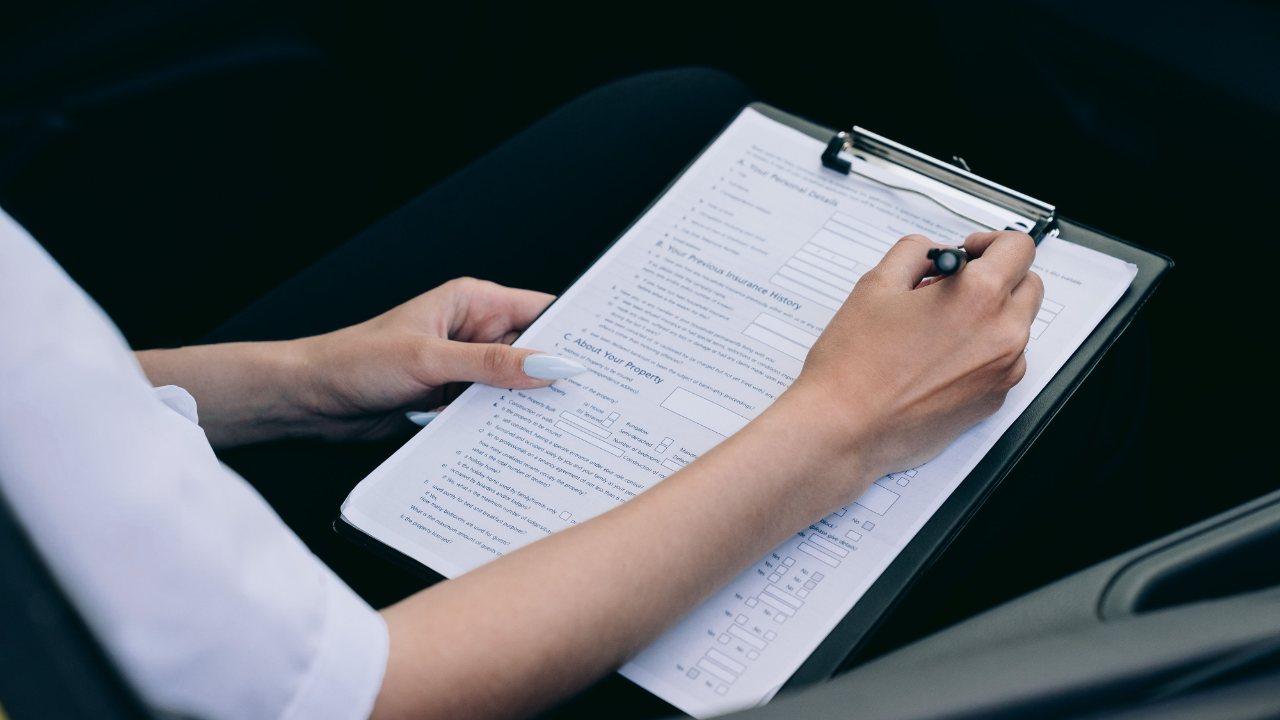
This is exactly why a medical history form is part of the process. It isn’t a formality. It lets your practitioner know about anything that affects your treatment and plan around it.
Important: never stop taking prescribed medication before an appointment without speaking to your doctor first. Tell your practitioner what you take. Any change to prescribed medication is a decision for your GP or prescriber, not something to decide on your own.
Why the medical history form matters
It can be tempting to rush through a medical history form or leave things off it, but it’s one of the most useful things you’ll do before treatment.
It’s how your practitioner knows what they’re working with: medications, conditions, and anything that affects how you’ll respond to treatment. A practitioner who takes your history seriously is one who’s planning your treatment properly.
Common questions about preparing for filler
Can I drink alcohol before a filler appointment?
Best not to. Avoid alcohol for 24 hours before, as it thins the blood and leads to more bleeding during treatment and more bruising afterwards.
Should I stop taking aspirin or blood thinners before filler?
Never stop prescribed medication without speaking to your doctor. Tell your practitioner what you take at consultation, and let them and your GP advise on the safest approach.
Why do I have to fill in a medical history form?
So your practitioner knows about any medication or condition that affects your treatment, particularly anything that increases bruising or bleeding. It helps them plan your treatment safely.
How can I reduce bruising from filler?
Preparation helps: avoiding alcohol for 24 hours beforehand and making sure your practitioner knows about any blood-thinning medication both reduce the likelihood of significant bruising.