
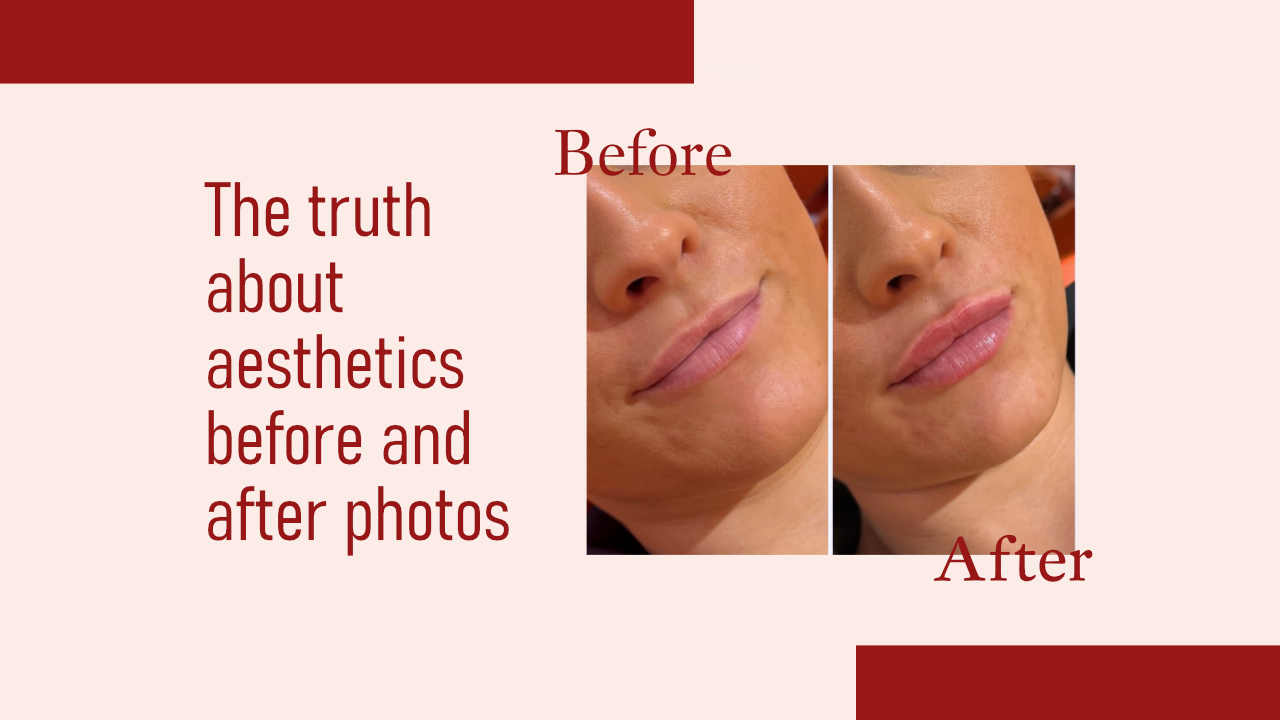
If you’ve ever scrolled through aesthetics accounts and wondered why everyone’s results look flawless and strangely similar, there’s a reason. Many of the photos have been heavily edited, to the point they show a result that isn’t realistically achievable without surgery. Tanya Mitchell at Love Aesthetics in Colchester explains what to look for, so you don’t book a treatment expecting something that was never real.
The practitioners with huge followings
You’ll find accounts with enormous followings and thousands of likes on every post. Here’s something worth noticing: on many of them, you never actually see that practitioner injecting. Plenty of polished before-and-afters, but none of the actual work being done.
That absence tells you something. The feed is built on images, not on evidence of the treatment itself.
Why so many results look identical
Look closely and you’ll notice something else: half the photos are more or less identical.
It doesn’t matter whether the client started with a round face or a slim face. Everyone comes out the other side with the same look, the same “snatched” jaw and cheekbones. That consistency isn’t always a sign of brilliant technique. It’s often a sign of heavy editing. The same filters and reshaping applied to every photo produce the same result every time, regardless of who the client actually is.
The look you’re being sold often isn’t real
Here’s the part that matters most. That heavily edited look, the sculpted, snatched result in so many of these photos, isn’t realistically achievable with injectables. In many cases it couldn’t be achieved without a surgical facelift.
Clients see it, believe it’s what treatment delivers, and come in wanting exactly that. As Tanya puts it, “That’s massive, because they’re doing it everywhere.” People are being drawn in by a result that was never achievable in the first place, and then feel let down when real treatment, done well, gives a natural result rather than a filtered one.
How to judge a practitioner’s real work
So what should you actually look for?
- Real, unedited photos. Results that look like real faces, not filtered ones. A little variation between clients is a good sign, it means you’re seeing real outcomes, not the same edit applied over and over.
- Evidence of the actual work. Practitioners who show their treatments, not just glossy afters.
- Honest expectations at consultation. A good practitioner will tell you what’s realistically achievable for your face, and will steer you away from anything that isn’t.
Natural results won’t always look as dramatic as a heavily edited photo. That’s the point. They’re real.
Common questions about aesthetics photos
Why do so many aesthetics before-and-after photos look the same?
Because they’ve been heavily edited with the same filters and reshaping, which produces the same “snatched” look on every client regardless of their actual face.
Can injectables really achieve that sculpted look?
Often not. The heavily edited look seen in many photos isn’t realistically achievable with injectables, and in many cases couldn’t be achieved without surgery.
How do I know if a practitioner’s photos are genuine?
Look for real, varied, unedited results, evidence of the actual treatment being done, and a practitioner who sets honest expectations at consultation rather than promising a filtered outcome.
What’s a realistic result from facial aesthetics?
A natural improvement that suits your face, not a dramatic transformation into someone else. Done well, the results are subtle and real rather than filtered.